The past 20 years have seen an enormous increase in the number and range of interventions developed and tested to prevent violence, especially intimate partner violence. To summarise and synthesise emerging knowledge, researchers have compiled reviews of the global evidence. They identify which types of programmes seem to be effective, which do not, and which require additional evidence.
These reviews vary in terms of how they categorise programmes, what studies they include, how they rate evidence, and what types of violence they include. As a result, their conclusions vary, too. One thing is clear across efforts, however: violence is preventable.
This section of the website presents reviews of the evidence on violence prevention, selected for their significance.
When assessing evidence, remember that:
- Evidence accumulates over time. It may take many studies before a consensus emerges on what strategies work, for whom, and in what contexts.
- Most formal reviews rely exclusively on quantitative estimates of impact. They may miss important insights from practice-based knowledge, qualitative studies, and the social sciences.
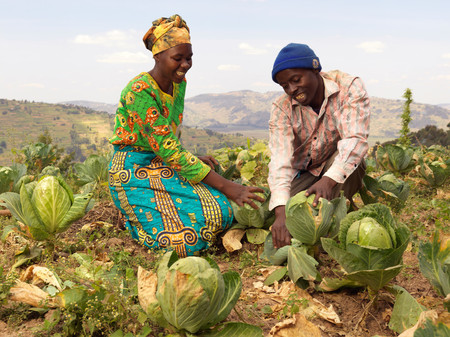
A Scoping Review of IPV Prevention Curricula and Their Implementation in Low- and Middle-Income Countries: Implications for the Next Generation of Programs

What works to prevent violence against women from 2000 to 2024: A pragmatic review of evaluations of interventions to prevent VAW

Interventions to prevent violence against women and girls globally: a global systematic review of reviews to update the RESPECT women framework
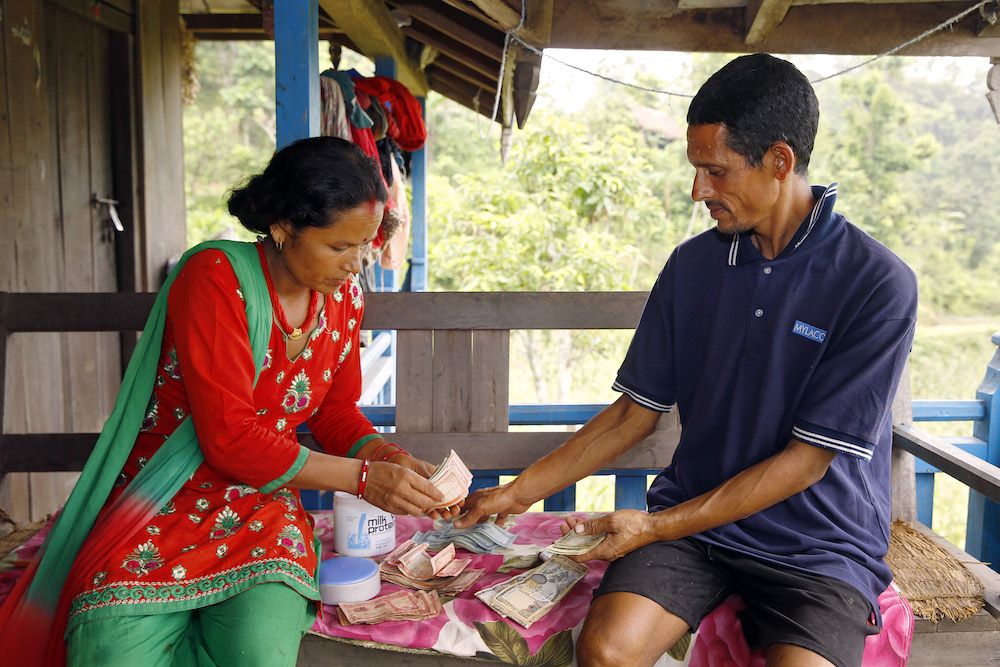
Effectiveness of community mobilisation and group-based interventions for preventing IPV against women in low- and middle-income countries

Interventions to Reduce VAC in LMICs: Evidence and Gap Map

Global Evidence Review of Interventions to Prevent VAWG: Executive Summary

Actions to End Violence in Childhood