Working with parents and caregivers to promote gender equality and prevent violence
Intimate partner violence is the most common form of violence experienced by women worldwide. Violent discipline is the most common form of violence experienced by children. These are not separate problems: children who witness or experience violence at home face a significantly higher risk of experiencing or perpetrating violence as adults. Our work at this intersection is promoting gender‑transformative parenting as a strategy that can reduce both forms of violence simultaneously, strengthen families, and interrupt the cycles that carry violence from one generation to the next.
In most global contexts, women face a greater risk of violence from intimate partners or other family members than from anyone else, and children are most likely to witness or experience violence within that same home. Evidence has confirmed that VAW and VAC are underpinned by shared social norms such as those that condone violent discipline, perpetuate patriarchal norms, and normalise the use of violence to resolve conflict. The consequences of VAW and VAC are also shared and compounding: violence in the home can negatively affect caregivers’ mental health and parenting practices, while children who are exposed face a significantly higher risk of perpetuating or experiencing intimate partner violence as adults. Programmes that explicitly address gender, positive parenting, relationship dynamics, and violent discipline can reduce VAW and VAC at the same time, while improving caregiver mental health and interrupting generational cycles of abuse.
“While the home and family can be the primary setting where violence against children occurs, they can also be the most important sources of protection from violence, and of care and support when violence has occurred.”
Our VAW/VAC work operates across three mutually reinforcing fronts.
- Influence discourse and support leaders in the parenting and early childhood development fields to recognise VAW/C prevention as a core element of their work through communities of practice, global events, and the dissemination of evidence and resources.
- Strengthen programmes by building long-term partnerships with parenting organisations to help them design, implement, and evaluate gender‑transformative approaches, with specialised accompaniment support for partner organisations across the globe.
- Support stronger evidence by synthesising what works across gender‑transformative parenting, scaling strategies, and technology integration, so that practitioners can apply and build on the best available knowledge.
Faith leaders and organisations work closely with couples and families, aligning naturally with our focus on family violence and positive parenting. Religion’s moral authority is also among the most powerful shapers of norms and beliefs about gender, relationships, and family life. Where religious teachings are interpreted in ways that justify violence or position women and children as subordinate, that authority can become a significant barrier to change. Where faith leaders model different interpretations, the potential for norm change is profound. We engage faith communities with humility—combining their wisdom, community relationships, and moral authority with our evidence-based resources for critical reflection to co-develop gender-responsive parenting and family-strengthening programmes adapted to their theological and community context.
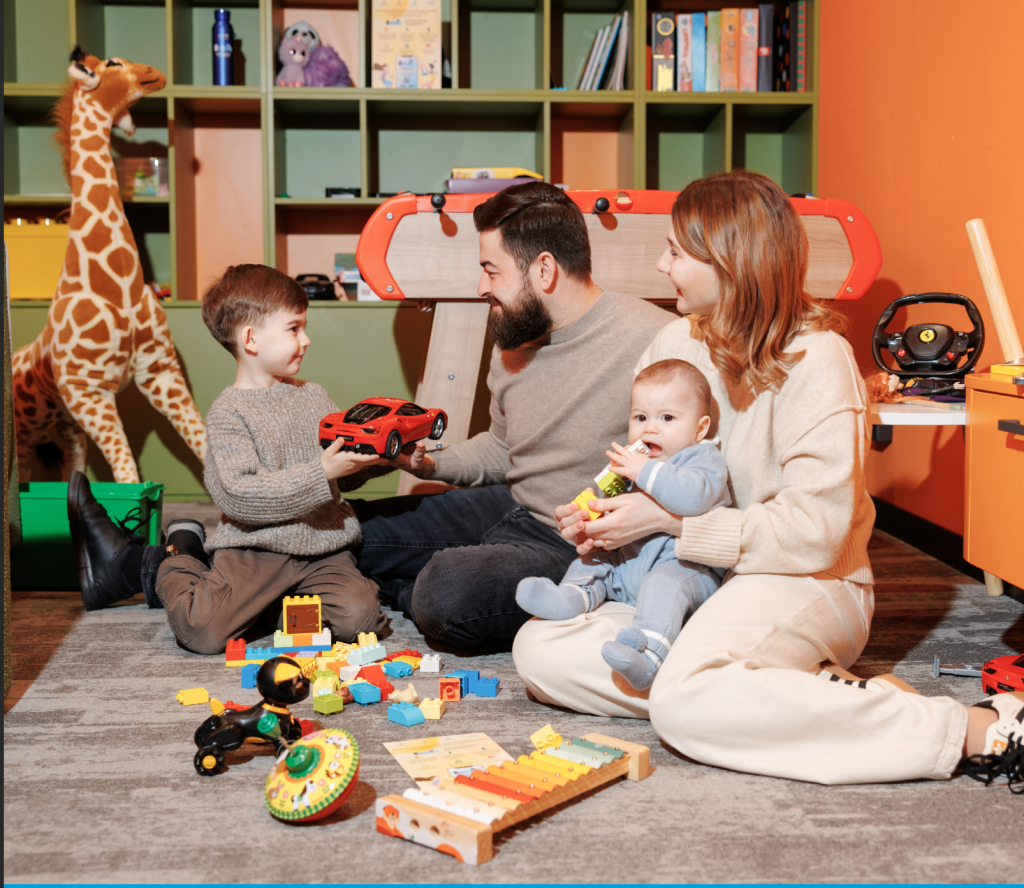
Parenting Programmes to Prevent Violence and Advance Gender Equality: Findings from a Global Mapping
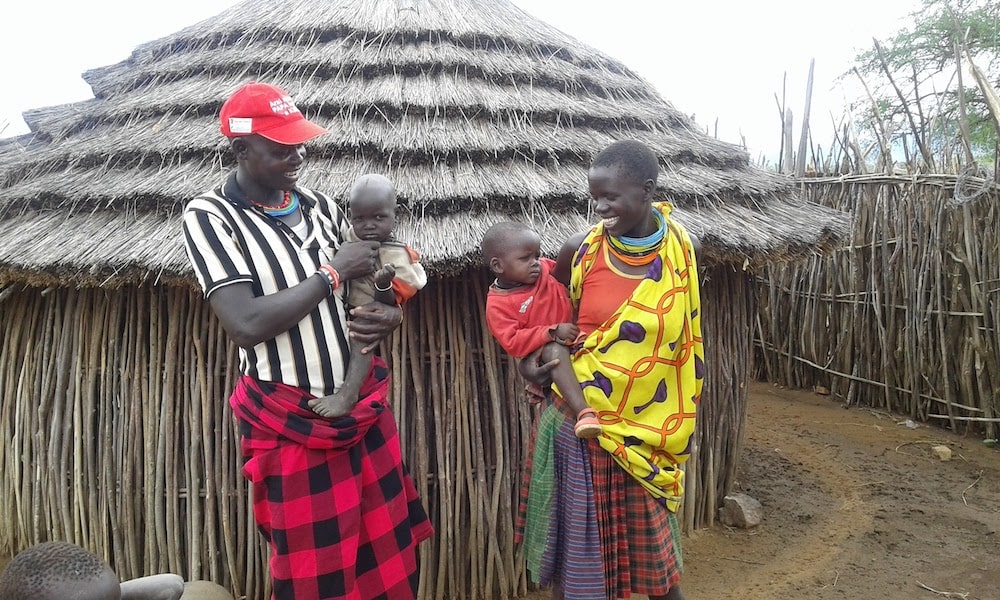
Why Gender-Transformative Parenting Matters

Scaling up a gender-transformative parenting programme – What does it take?
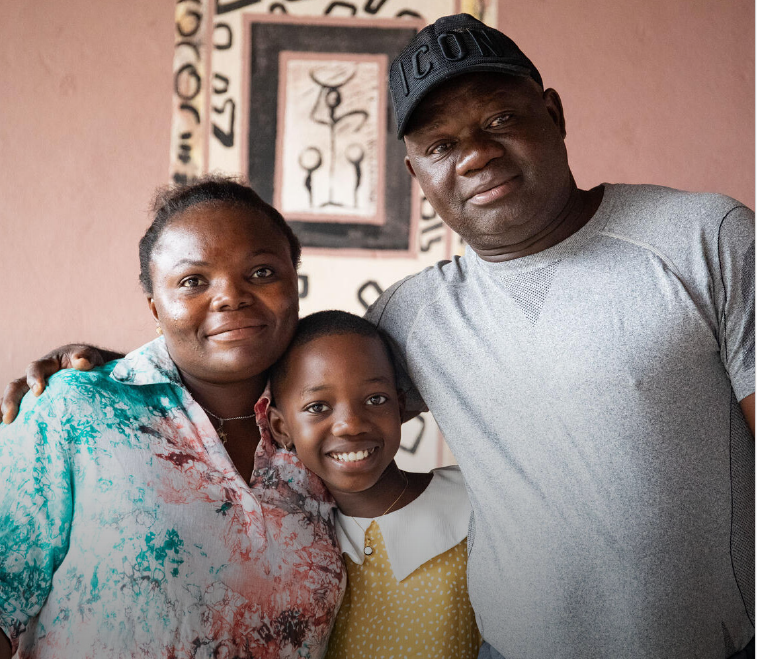
PARENTING PROGRAMMES TO REDUCE VIOLENCE FAMILY VIOLENCE
SUPPORTING PARENTS AND CAREGIVERS: PREVENTION STRATEGIES DEEP DIVE