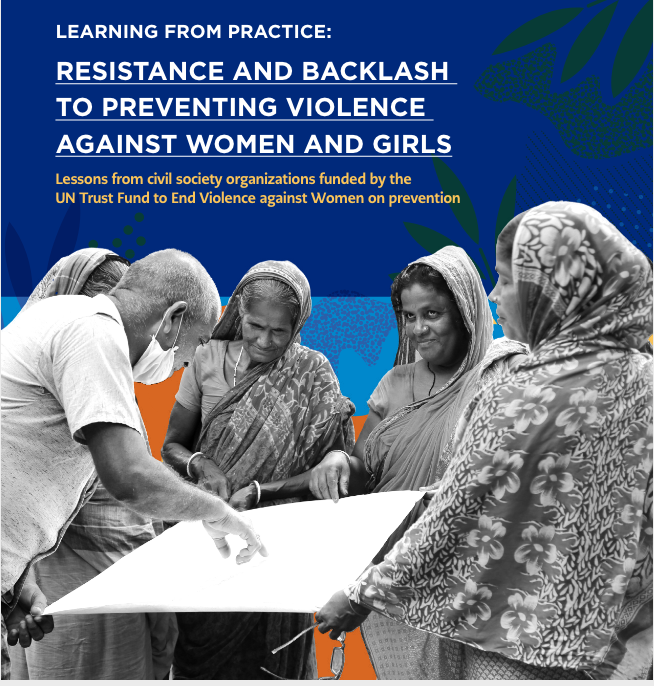
Learning from Practice: Resistance and Backlash to Preventing VAWG
Explores the complex pathways that organizations working on prevention projects took to mitigate, respond to and manage resistance.

GUIDE TO PROGRAMMING – Lorem ipsum dolor sit amen, consectetur adipiscing elit, sed do eiusmod tempor incididunt ut labore et dolore magna aliqua. Lorem ipsum dolor sit amen, consectetur adipiscing elit, sed do eiusmod tempor incididunt ut labore et dolore magna aliqua. Lorem ipsum dolor sit amen, consectetur adipiscing elit, sed do eiusmod tempor incididunt ut labore et dolore magna aliqua.
Explores the complex pathways that organizations working on prevention projects took to mitigate, respond to and manage resistance.

While tools and measures for several forms of VAW and VAC are still evolving, below are links to selected tools that are being used and / or have been validated for use in different settings.
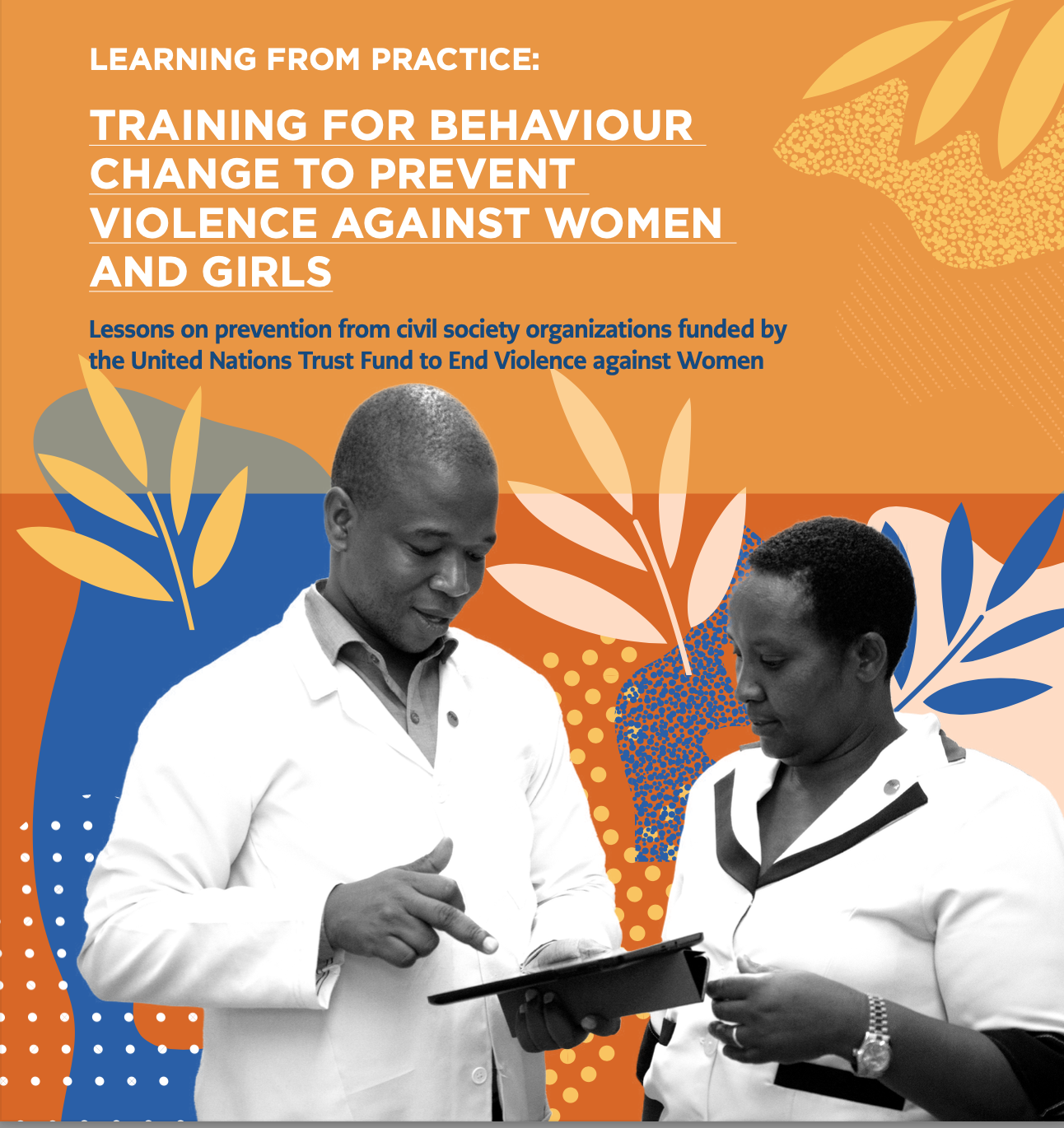
Captures the experiences and reflections of practitioners and their practice-based knowledge from 10 prevention projects (by 7 CSOs) supported by the United Nations Trust Fund to End Violence against Women.
This scoping review examines remote evaluations of VAWG interventions to describe the landscape of RDC methods, reflect on safety and ethical considerations, and offer best practices for RDC in VAWG research.
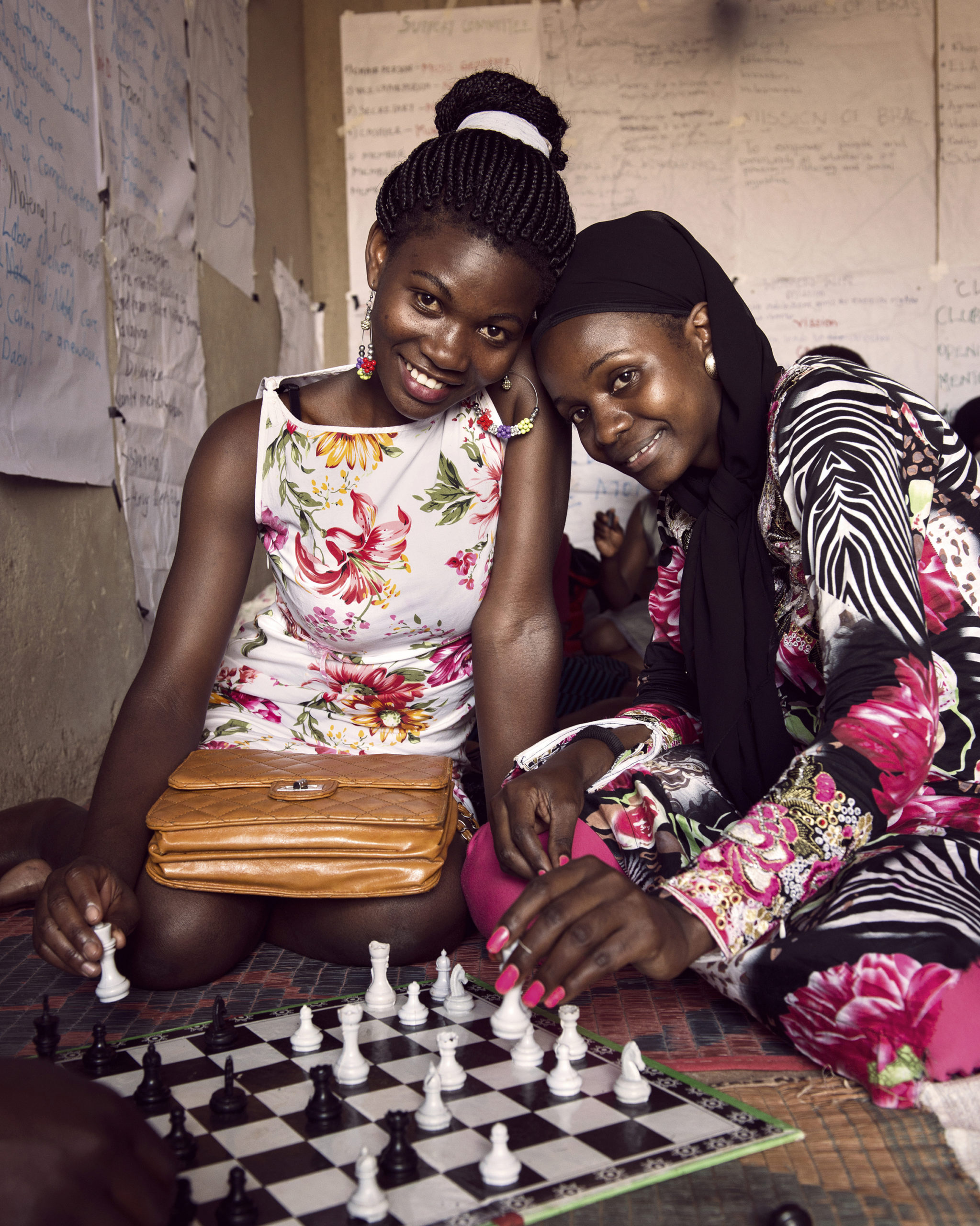
Reflection on approaches used by the What Works to Prevent Violence against Women and Girls Programme and the dilemmas encountered and navigated.
Presents the programmatic learning and impact generated by the implementation of Spotlight Initiative from 2018 to 2023. Full report here.
This article seeks to frame and orient researchers from the behavioral sciences to the rapidly growing interdisciplinary field of D&I science.
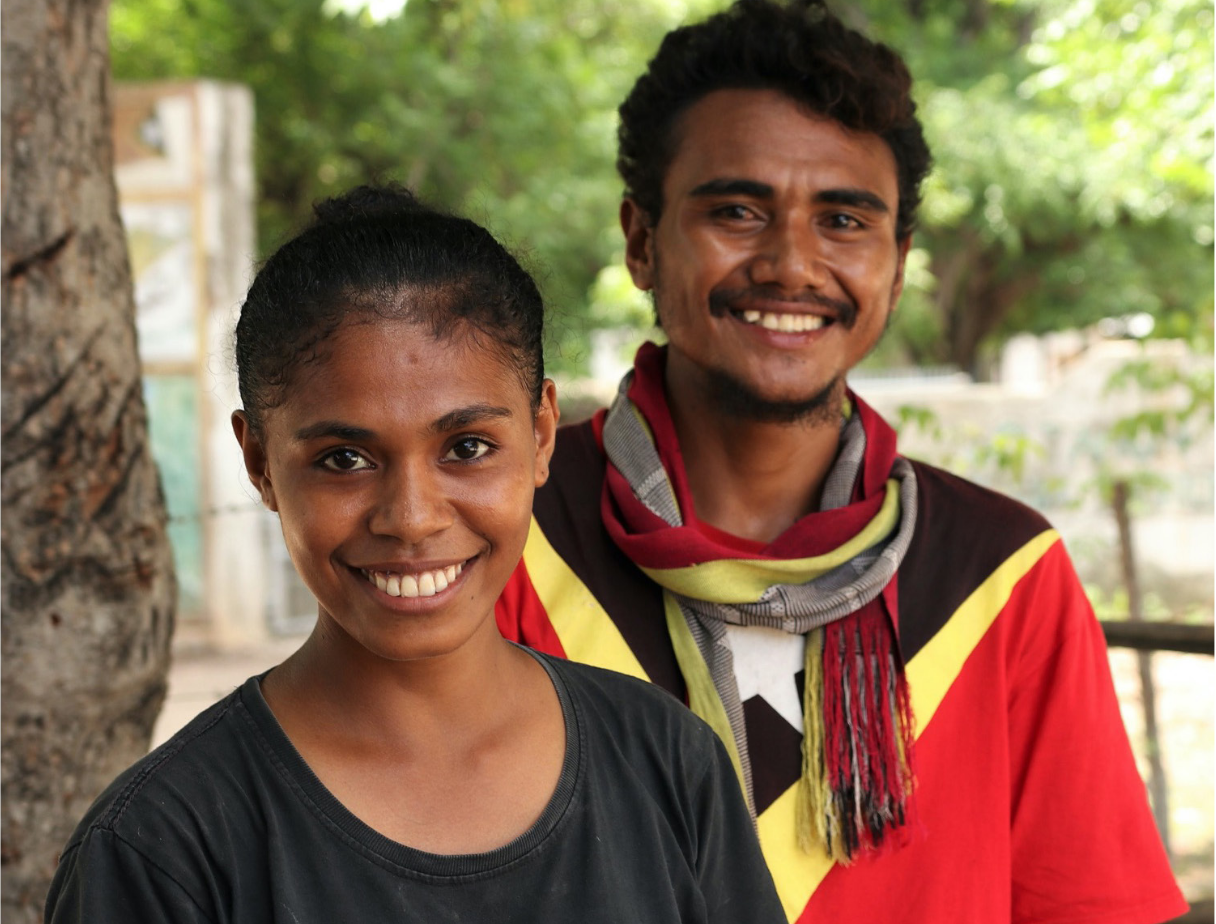
Lessons from NeNaMu offer guidance for other groups seeking to work in partnership to adapt, test and implement violence-prevention training models
See specific lessons Lessons synthesized from UNTF global grantees on a wide range of violence prevention topics here.
